My diagnosis of acute lymphoblastic leukemia came without warning. My first day of treatment at Children’s Wisconsin was overwhelming, filled with information about what the next 2.25 years of my life would involve.
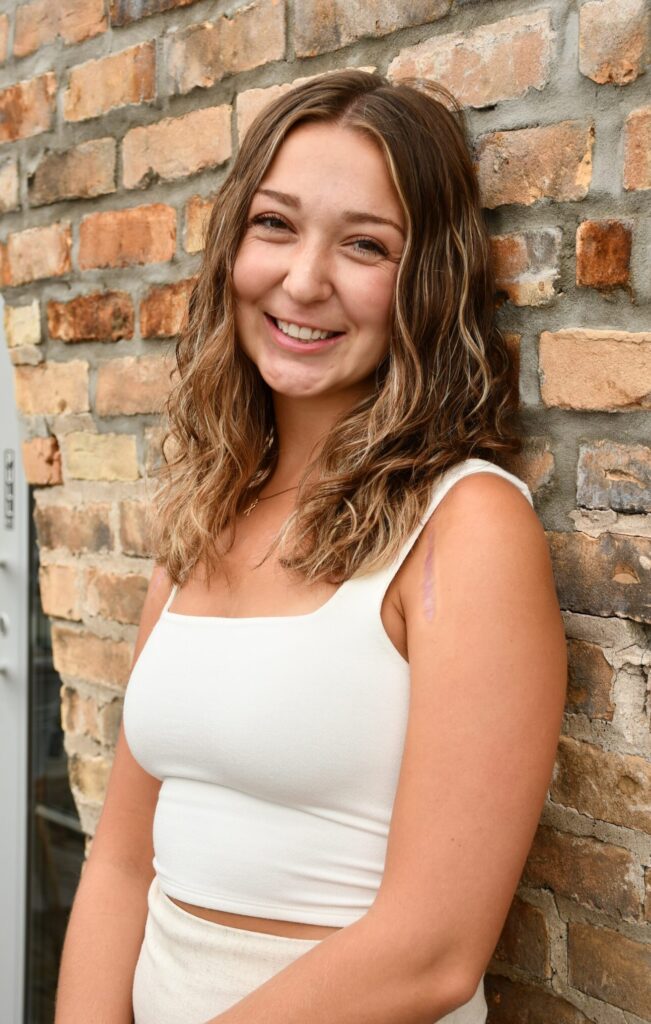
I was barely 18 years old when I was diagnosed with cancer and suddenly expected to navigate the adult medical system. I felt unheard and overwhelmed. Too ill to make decisions for myself, I relied on my parents to advocate on my behalf. Yet because I had just turned 18, I was still required to repeatedly give legal consent for them to do so.
As I regained strength, I quickly learned the importance of self-advocacy. I found a balance between independence and vulnerability, learning to accept support when I needed it. I discovered my voice and the strength to keep going, even through the most difficult treatments.
My greatest challenge was coming to terms with my evolving identity. As an 18-year-old girl, losing my hair to chemotherapy felt devastating. I no longer recognized my reflection in the mirror; it did not resemble the vibrant, energetic person I once was. I wore a wig for an entire year, and as my hair grew back, each new style subtly reshaped my sense of self. I found myself reintroducing myself to peers and professors. It felt as though I had not just lost my hair—I had lost my place in the world.
Through pain and uncertainty, I came to understand that my appearance did not define my strength or identity. I learned that true resilience came from facing adversity, continuing to fight, and finding purpose in struggle.
This experience not only shifted my perspective but revealed my purpose: to support others through their most difficult moments with the same care and compassion I received.
I was diagnosed with cancer at a particularly transitional point in my life. I was finishing my senior year of high school, recovering from scoliosis spinal fusion surgery, and just beginning to regain my footing. I was excited to graduate and start a new chapter when this unexpected turn occurred. I felt as though I had lost everything.
With my immune system compromised and the COVID-19 pandemic still ongoing, my healthcare team strongly advised me to begin my college experience entirely online. Attending in-person classes posed too great a health risk, so virtual learning became the safest option.
My first two years of college were far from typical. I successfully completed 16 credits through the University of Wisconsin–La Crosse while navigating a new and unfamiliar virtual academic environment. I missed out on many traditional college experiences. When I was finally able to attend classes in person, my ongoing treatment still placed me at high risk. The university made accommodations to ensure my safety, including providing me with a private room and a bathroom shared with only one other person.
While these measures were necessary, they introduced new challenges. The isolation was difficult, and forming meaningful connections felt daunting when I could not socialize in typical ways. I was nearly 200 miles from home and dependent on strangers in the event of a medical emergency. Looking back, I can see how these experiences taught me patience, resilience, and how to find strength in difficult circumstances.
I could not have made it through this journey without my family. My parents, older sister, and younger brother showed me the true meaning of unconditional love. My parents did everything in their power to ensure I had what I needed, and my siblings supported me with remarkable care and compassion. I truly believe my diagnosis brought our family closer and helped us appreciate one another more deeply. My relationships with my siblings grew stronger, and for that I am incredibly grateful.
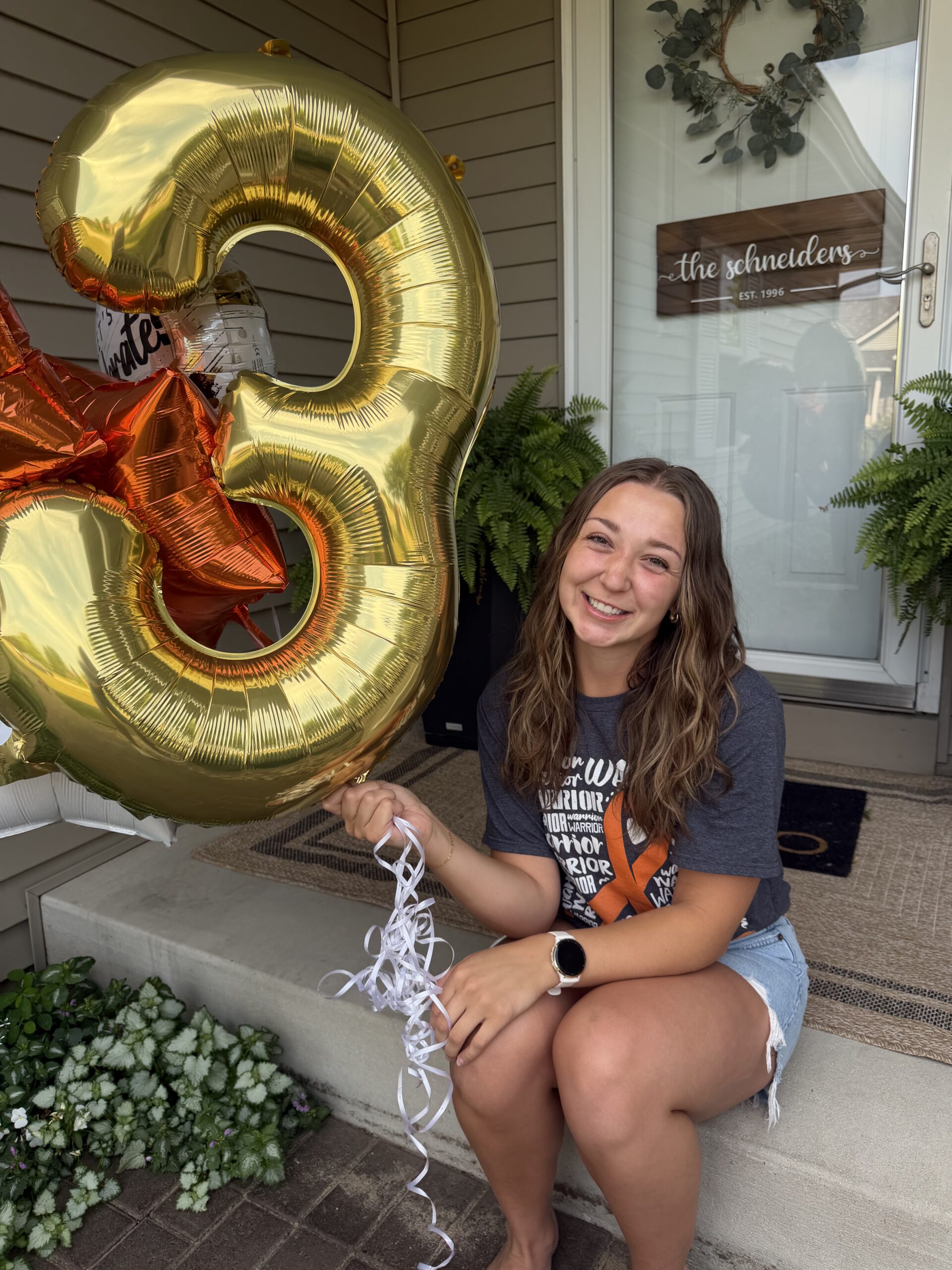
After years filled with uncertainty, August 14, 2023, marked a long-awaited milestone—I rang the survivor bell, symbolizing the end of my treatment. I was overwhelmed with love, surrounded by my strongest support system: my family, best friend, and care team. After ringing the bell, I finally felt like the person I had worked so hard to become. I embraced my new identity and felt physically strong.
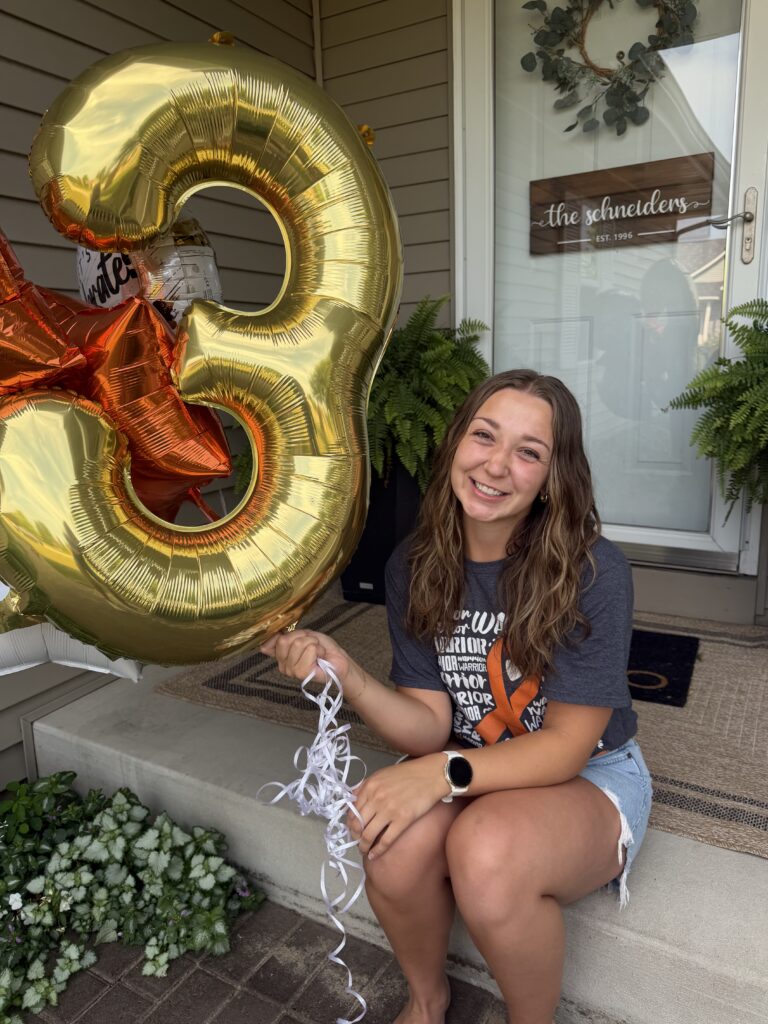
Months later, however, I was diagnosed with bilateral avascular necrosis, a side effect of my cancer treatment. Once again, life swept my footing out from under me. I faced the news with grace and maintained the positive outlook that many people had come to admire. Ultimately, I underwent two shoulder replacements within 13 months.
I intentionally scheduled my surgeries during the summers to avoid the added challenge of recovering while attending classes. As a result, I was unable to work during my recovery periods, eliminating my primary source of income so the financial impact continued long after my cancer treatment had ended.
My journey has been long but deeply meaningful. Through the challenges of fighting cancer while earning my undergraduate degree, I have grown in ways I never imagined possible.
Your generosity can help a cancer survivor achieve their academic and career dreams.
Give now, or visit our Ways to Give page to learn how to support our scholars.